
What Is The PDCA Cycle And Why Does It Matter For ISO?
PDCA: Plan-Do-Check-Act cycle. This is something you are likely to come across when implementing an ISO management system. It is a simple but powerful approach for managing processes, identifying problems and driving continual improvement.
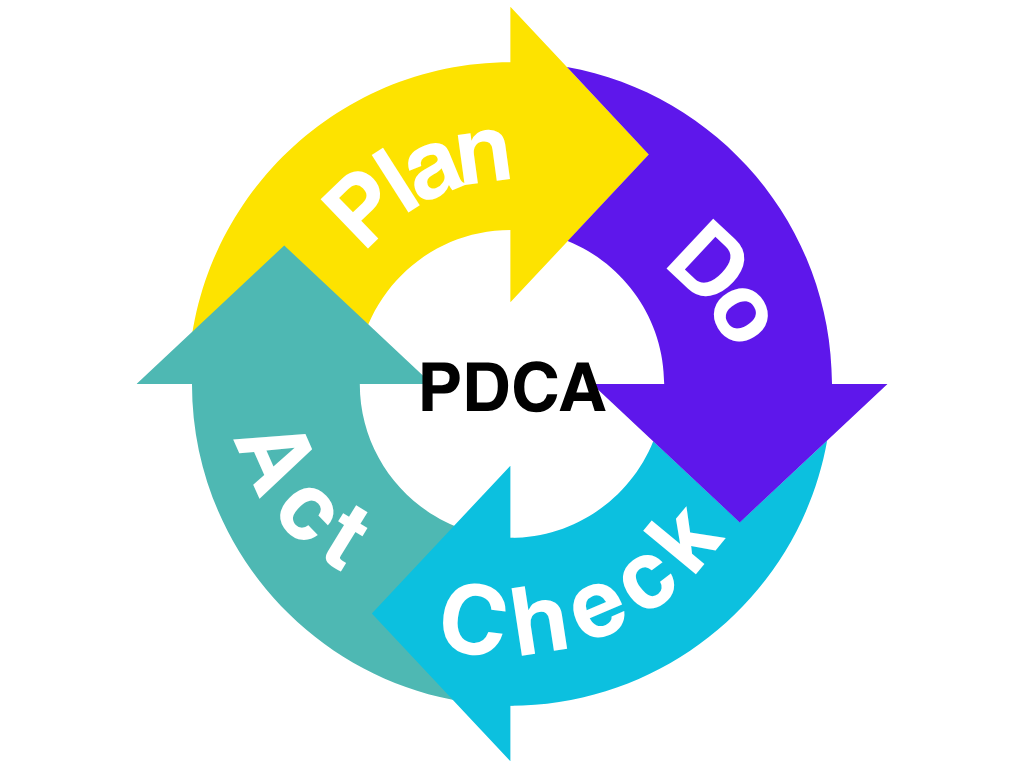
What is the PDCA cycle?
The PDCA cycle is a four-stage method for improving processes and management systems:
1. Plan – decide what you want to achieve and how you’ll do it
2. Do – put the plan into action and make it happen
3. Check – monitor and evaluate whether the processes are achieving the intended results
4. Act – take action to address problems and improve performance
Why is PDCA important for ISO standards?
ISO management systems are designed to help organisations establish structured and effective ways of managing their activities. However, this doesn’t mean creating policies and procedures simply for the sake of having them.
An effective ISO management system should be useful to your business, not just something you tick off your list once a year when your audit is approaching.
ISO should add value to your business. If a procedure doesn’t make sense, isn’t being used or doesn’t provide any real benefit, its worth asking why it is there in the first place.
Understanding the Four Stages of PDCA
1. Plan - The first stage is about understanding where you are now, where you want to be and what needs to happen to get there. This may include:
· Identifying risks and opportunities
· Establishing objectives
· Understanding relevant interested parties
· Identifying applicable legal or regulatory requirements
· Defining processes and responsibilities
· Determining necessary resources
Good planning provides the foundation for the rest of the management system.
2. Do - This is the stage where the organisation puts its plans into practice. This could involve:
· Implementing procedures
· Training employees
· Providing resources
· Communicating responsibilities
· Managing documented information
· Implementing risk controls
· Monitoring processes
The organisation needs to demonstrate that its planned processes are actually being implemented. A procedure alone does not necessarily demonstrate an effective management system. Everyone involved needs to understand their responsibilities and apply the agreed processes in practice.
3. Check - The stage involves determining whether the management system and its processes are performing as intended. Organisations may use:
· Performance indicators
· Internal audits
· Customer feedback
· Management reviews
· Incident and nonconformity records
This stage provides evidence about whether the organisation is achieving its objectives.
4. Act - The final stage is about responding to the results and making improvements. If something is not working, the organisation should investigate why and determine what action is appropriate. This may include:
· Correcting problems
· Addressing the causes of nonconformities
· Updating processes
· Providing additional training
· Revising objectives
The Act stage leads naturally back into Plan, making PDCA a continuous cycle.
For example: PDCA and ISO 9001
ISO 9001 is closely associated with the principles of process management, risk-based thinking and continual improvement.
Plan: understand customer requirements, risks, opportunities and quality objectives
Do: implement processes for delivering products and services that meet requirements
Check: monitor customer satisfaction, process performance, product conformity and audit results
Act: address nonconformities, analyse results and implement improvements
Most businesses are good at planning and doing, but checking and acting on what they find is where it quietly falls apart. Without a structured system, it never gets prioritised over the next urgent thing. PDCA builds the structure that makes checking and acting a priority, not an afterthought.
How Help With ISO Can Help You
Implementing an ISO management system doesn’t have to be complicated or overwhelming. Whether you’re preparing for your first certification, maintain an existing management system or looking to improve the way your organisation works, we can provide practical support tailored to your business. Our approach is focused on making ISO work for your business, rather than creating unnecessary paperwork.
It is our mission to make this process straightforward and stress-free, providing hands on advice from start to finish.
Did you know we offer an 100% Pass Rate Guarantee?